The Art of Improvisation
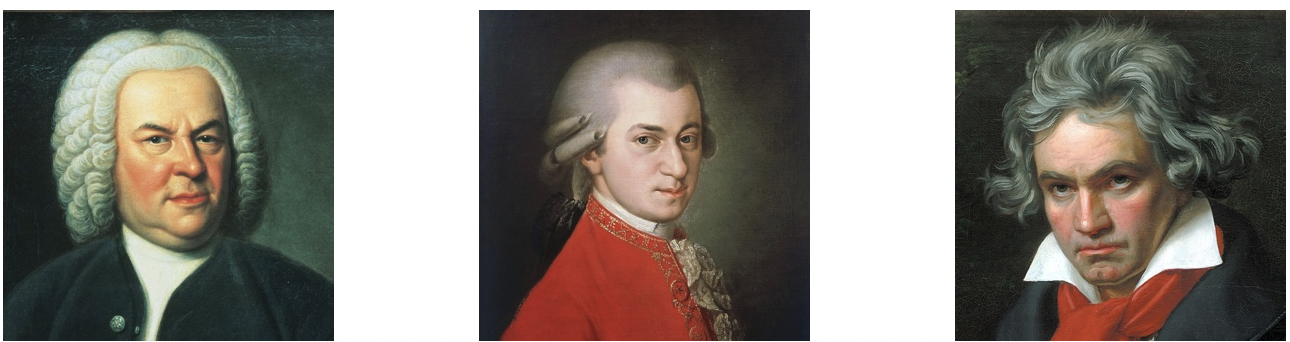
Bach, Mozart, and Beethoven: Masters of composition—and the cadenza.
Have you ever wondered how the great composers could sit down at the piano and create beautiful music without any sheet music in front of them? Long before recordings and printed editions were everywhere, composers like Johann Sebastian Bach, Wolfgang Amadeus Mozart, and Ludwig van Beethoven were famous for making up music as they played. They didn't just perform their own compositions—they loved to surprise audiences by creating new melodies, harmonies, and exciting musical ideas right on the spot. Improvisation wasn't an extra skill for them. It was simply part of being a musician.
I think every young pianist can benefit from learning how to improvise, even if your dream is to become a concert artist. Improvising helps you understand how music works instead of just memorizing notes. It trains your ears to recognize beautiful harmonies and helps you become more confident at the keyboard. Even if you make a mistake during a performance, knowing how to improvise can help you stay calm and keep the music flowing. Instead of worrying, you learn to trust your musical instincts.
One of the best places to use improvisation is in a cadenza. A cadenza is the exciting solo section near the end of many concertos where the orchestra becomes quiet and the pianist has a chance to shine. In Mozart's and Beethoven's time, many pianists created their own cadenzas instead of playing one that had already been written. They took themes from the concerto and turned them into something personal and exciting before bringing the orchestra back in to close the work. Today, many wonderful written cadenzas are available, but learning how to create your own can help you understand the music much more deeply and make you feel like you're sharing your own ideas with the audience.
To me, improvisation is one of the most enjoyable parts of being a musician because it reminds us that music is more than playing the correct notes. Music is about telling a story, sharing emotions, and expressing who we are. The more we learn about improvising, the more we begin to think like the great composers we admire. We don't stop respecting the music they wrote—we simply discover another way to connect with it. Who knows? The next beautiful musical idea you play might be one that has never been heard before, and that is a wonderful feeling.