The Five Beethoven Concertos
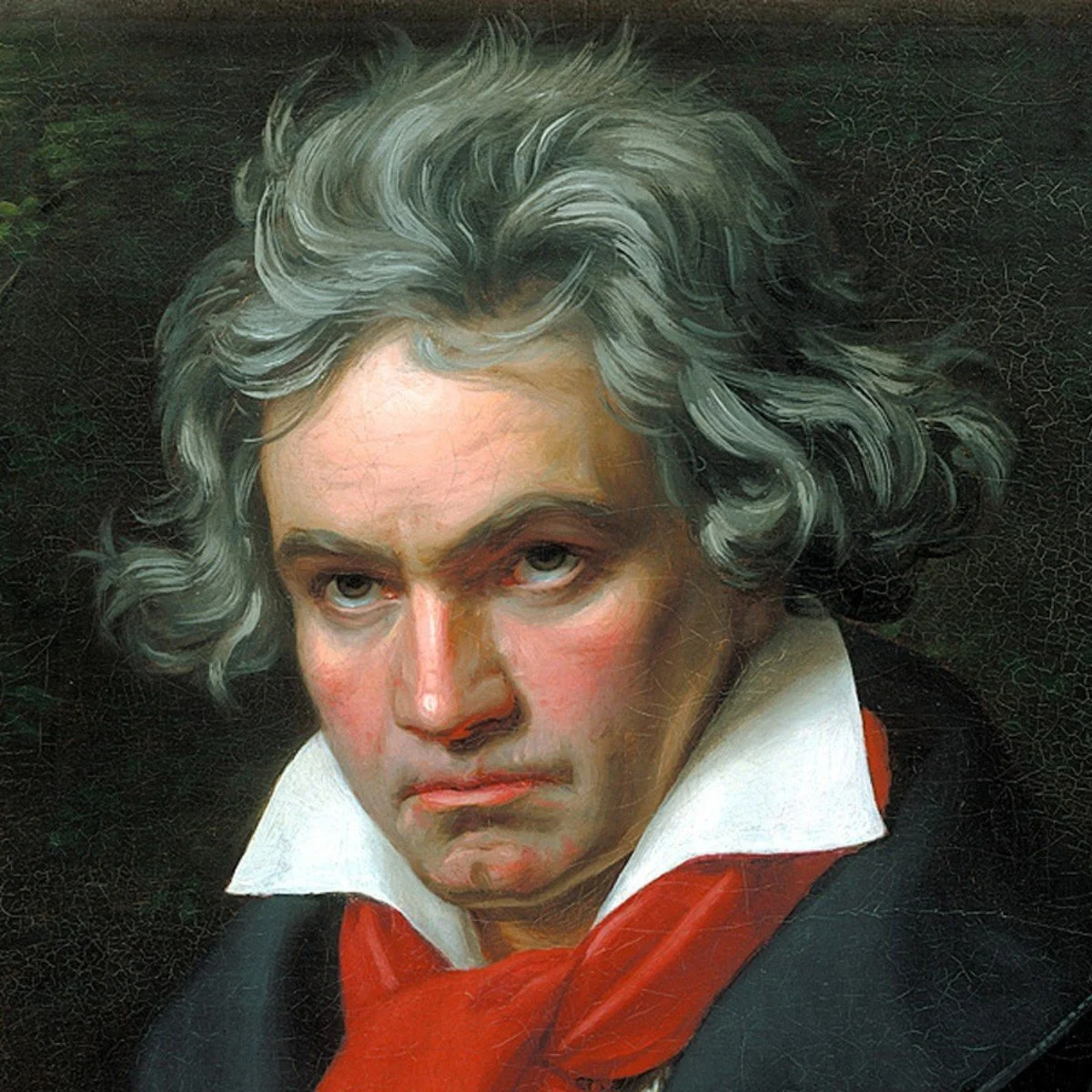
Ludwig van Beethoven (1770—1827)
I have been looking at the five Beethoven piano concertos recently, and come to some very interesting discoveries.
One of the most exciting things about studying the five works is discovering that each one has its own unique personality. Even though they were all written by the same composer, they sound very different from one another. As you learn them, you can almost hear Beethoven growing as both a composer and a person. All five concertos ask the pianist to work closely with the orchestra instead of trying to outshine it. They also teach us that great piano playing is about much more than fast fingers. It is about listening, understanding the music, and telling a story through every phrase.
The First and Second Concertos are full of energy, elegance, and joy. Although the Second Concerto was actually written before the First, they both reflect Beethoven's early years and show the influence of Mozart. These concertos require clean technique, accurate rhythm, and a light, singing touch. They may not seem as difficult as the later concertos, but they leave very little room for mistakes because every note can be heard so clearly. They also teach young pianists how important balance, phrasing, and articulation are in Classical music.
The Third and Fourth Concertos take us into a deeper emotional world. The Third Concerto is dramatic and powerful, asking the pianist to play with strength while still keeping a beautiful tone. The Fourth Concerto is completely different. It begins quietly with the piano alone and is filled with moments that require patience, imagination, and a wide variety of colors at the keyboard. Many pianists believe the Fourth is one of Beethoven's most difficult concertos because it is so exposed. Every phrase must sound natural and expressive, and there is no place to hide behind loud playing or flashy technique.
The Fifth Concerto, the famous "Emperor," is Beethoven's largest and most heroic concerto. It demands confidence, endurance, and a strong technique, but it also requires maturity and good musical judgment. The pianist must know when to be powerful and when to be gentle, always working together with the orchestra to create one unified performance. That is what makes all five concertos so special. They each present different technical challenges, but they also teach us different lessons about musicianship.
Studying Beethoven's concertos reminds us that becoming a great pianist is not only about learning difficult notes—it is about learning to communicate, to listen, and to share the composer's ideas with honesty and heart.