The History of Liszt’s “Mazeppa”
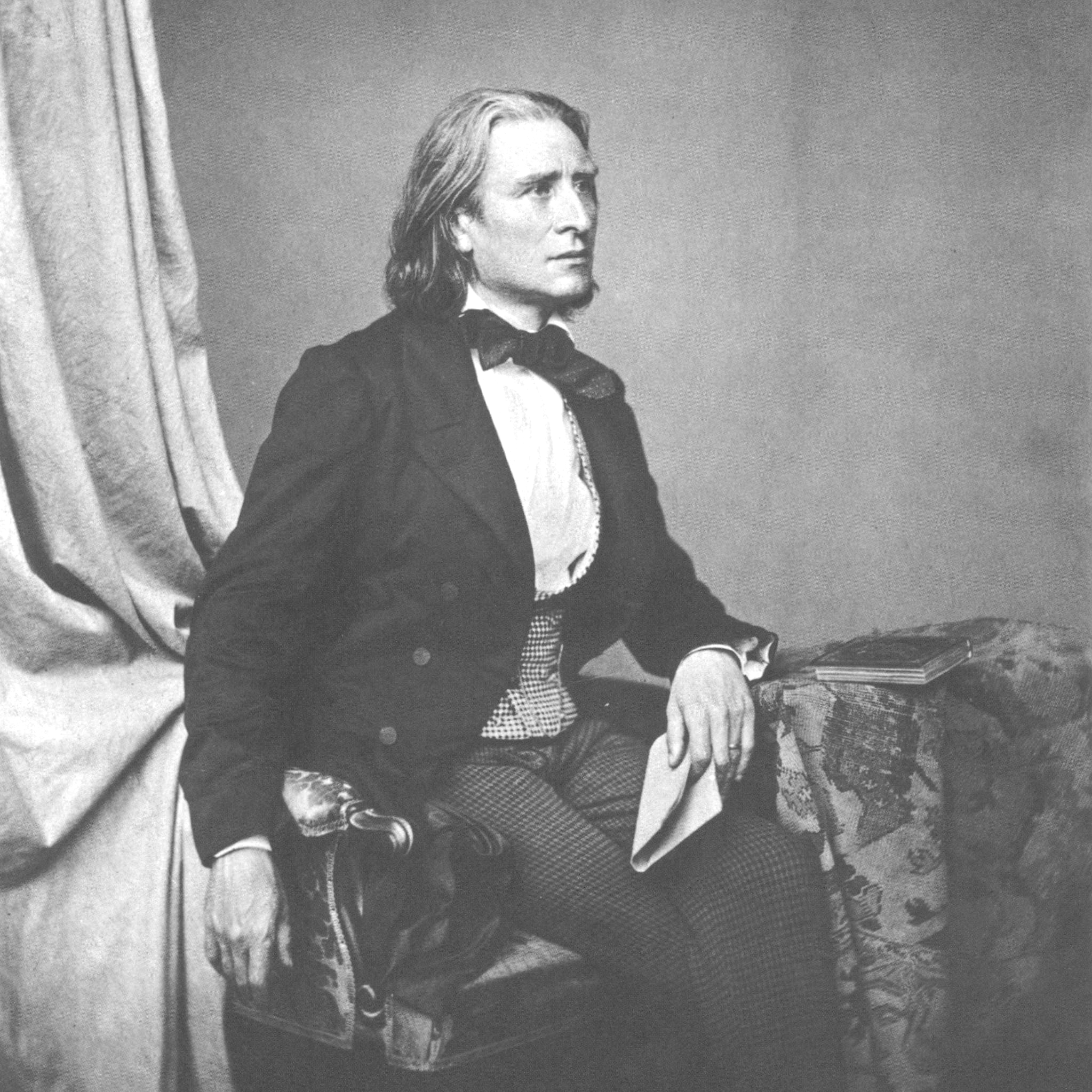
As I began turning my attention to the Liszt Transcendental Études, the research around it proved fascinating.
Liszt’s “Mazeppa” has a rich and wonderful history despite it being only eight minutes long, and over the course of the next few posts I would like share some of its more interesting facts. The piano version I am currently studying is known as Étude No. 4, Mazeppa, from Liszt's Études d'exécution transcendante, S.139, in D minor.
Here is its full history:
the original study, S.136 No. 4, was written in 1826
the enormously expanded Grande Étude, S.137 No. 4, was written in 1837
the separate Mazeppa, S.138 was written in 1840
the final Étude d'exécution transcendante, S.139, No. 4 was completed in 1851
the orchestral Mazeppa, S.100, the sixth of Liszt's symphonic poems, was written between 1851–1854
the premiere of the orchestral version in Weimar came in 1854
As you can see, although one often reads that Liszt composed “Mazeppa” in 1851, that applies only to the final piano version and the beginnings of the symphonic poem. The actual musical material reaches all the way back to 1826, a quarter century earlier.
For the next post I will look forward to sharing with the history of the person Mazeppa, who he was, and the legend that grew up around him.
Stay tuned!