The Enduring Legacy of Beethoven
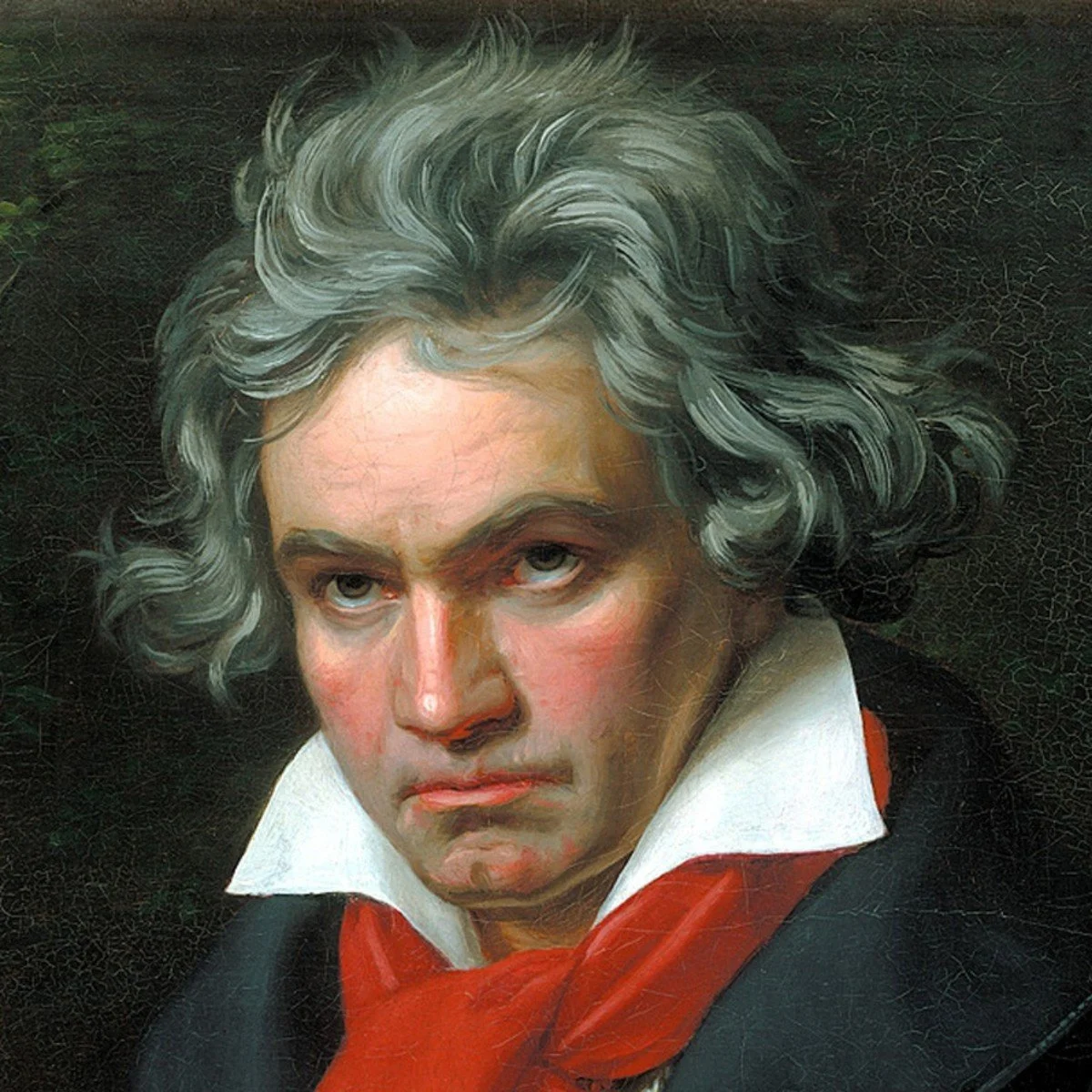
As musicians around the world prepare to commemorate the bicentennial of Ludwig van Beethoven's death next year, I find myself reflecting not only upon the extraordinary legacy he left behind, but also upon the profound influence he continues to have on my own life as a pianist. Two hundred years after his passing, his music remains remarkably alive. It speaks to us with a sincerity that transcends time, culture, and language. There are few composers whose works continue to challenge, inspire, and transform performers with such enduring power. For me, Beethoven is not simply a towering figure in the history of music; he is a trusted companion whose voice has accompanied generations of artists in their lifelong pursuit of truth through music.
What has always drawn me most deeply to Beethoven is the extraordinary humanity that resides within each of his works. His compositions encompass the entire spectrum of human experience: courage and vulnerability, despair and hope, struggle and triumph. Even in moments of great turbulence, there is an unmistakable sense that he believed in the dignity and resilience of the human spirit. Perhaps this is why audiences continue to feel such a personal connection with his works. As performers, we are entrusted with giving voice not only to the notes on the page, but also to the emotions and ideals that inspired them. That responsibility is both humbling and deeply rewarding.
This coming Sunday, June 28, I will have the privilege of performing Beethoven's Piano Sonata No. 17, Op. 31, No. 2 in D-minor, known as “The Tempest” as part of my recital program at Suntory Hall in Tokyo, a venue whose remarkable acoustics and atmosphere encourage both performer and listener to experience music with exceptional intimacy. Each time I prepare one of Beethoven's works, I discover something new. A familiar phrase suddenly reveals an unexpected tenderness; a simple harmonic progression takes on greater meaning; a passage that once seemed technically demanding becomes instead an opportunity to communicate something profoundly human. This continual process of discovery is one of the greatest gifts Beethoven offers to those who dedicate themselves to performing his music.
As we approach this historic anniversary, I believe Beethoven's greatest legacy lies not only in the masterpieces he composed, but in the values they embody. His music reminds us that beauty often emerges from adversity, that perseverance can overcome seemingly impossible obstacles, and that art possesses the unique ability to unite humanity across generations. To perform his music is an immense privilege, one that I never take for granted. I hope that in sharing this extraordinary work with the audience I can honor not only the genius of one of history's greatest composers, but also the timeless message of hope, courage, and humanity that continues to resonate through every note he wrote.
For these reasons, appearing at Suntory Hall is much more than another engagement on my concert calendar. It is the realization of a dream that has quietly accompanied me throughout my life as a pianist, while at the same time marking the beginning of a new chapter. Every performance is both a reflection of the past and a promise for the future, and I hope that when I sit at the piano in this remarkable hall, I will not only honor the extraordinary musicians who have performed there before me, but also share something uniquely my own. That, to me, is the true privilege of performing at Suntory Hall, and one that I will always treasure.
Tap an icon below to share this blog on social media, email, or your favorite messaging app.