An Ending and a Beginning
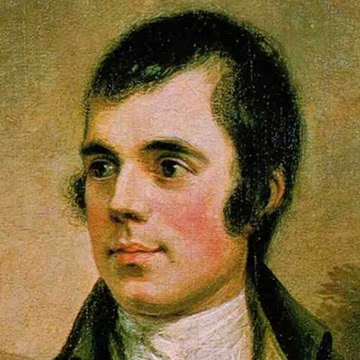
ROBERT BURNS (1759—1796)
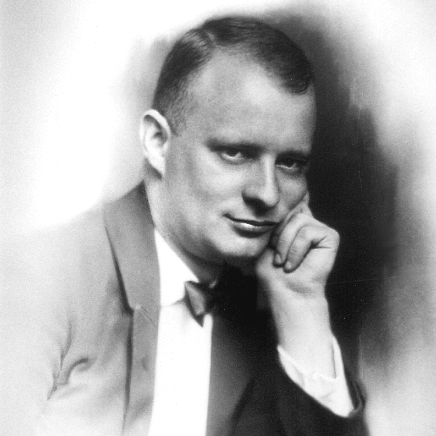
PAUL HINDEMITH (1895-1963)
July 21 is a date in history that carries a special poetry of its own. It reminds us that while one great artistic voice may fall silent, another is preparing to be heard.
On July 21, 1796, the beloved Scottish poet Robert Burns passed away, leaving behind a legacy that extended far beyond his celebrated poetry. Through his dedication to collecting, revising, and preserving Scotland's traditional songs, he ensured that the spirit of his homeland would continue to live in music for generations yet to come. Among these timeless melodies is Auld Lang Syne, whose familiar words have become a universal expression of remembrance, friendship, and gratitude. Then, almost a century later, on July 21, 1895, the distinguished German composer and pianist Paul Hindemith was born. I find it deeply moving that one calendar day can symbolize both farewell and welcome, reminding us that the artistic spirit is never diminished—it simply finds new voices through which to speak.
Whenever I think of Robert Burns, I am struck by the extraordinary generosity of his life's work. He understood that the songs of ordinary people were every bit as valuable as the great works of literature because they carried the memories, hopes, and shared experiences of countless generations. Auld Lang Syne has traveled far beyond the borders of Scotland to become one of the world's most beloved songs, sung whenever people gather to reflect on friendships, milestones, farewells, and new beginnings. As a musician, I find that especially beautiful. Music has the remarkable ability to unite people who may not even share the same language, because its deepest meaning is carried not only by words, but by emotion. Every performance reminds me that music has always been one of humanity's most enduring ways of saying, "I remember," "I am grateful," and "You are not forgotten."
The birth of Paul Hindemith on this same day represents another kind of artistic gift. Hindemith became one of the twentieth century's most respected composers, an exceptional pianist and violist, and an inspiring teacher whose influence continues to shape musicians today. His music speaks with intelligence, discipline, and remarkable integrity, always seeking a balance between innovation and tradition. That balance is something I admire tremendously. As artists, every note we play is enriched by those who came before us. Hindemith demonstrated that true originality does not require turning away from history; rather, it grows from a deep understanding and respect for it. His life reminds me that the future of music is strongest when it is built upon the firm foundation of the past.
Robert Burns devoted himself to preserving the songs of earlier generations so they would continue to touch hearts long after his own lifetime had ended. Paul Hindemith entered the world on that very date and would go on to expand the possibilities of musical expression for generations still to come. One life concluded, another began, yet both became part of the same unbroken artistic tradition. As I continue my own journey as a concert pianist, I often reflect upon this beautiful continuity. Every recital, every lesson, and every hour spent at the piano is both an act of gratitude and an act of hope. We honor those who have entrusted us with their music, and in doing so we prepare that music to inspire someone else in the future. To me, that is one of the greatest privileges of being an artist—to stand between yesterday and tomorrow, preserving the beauty we have inherited, while helping it find life in new hearts.