
THE LIGHTBULB SERIES
PERFECT PRACTICE
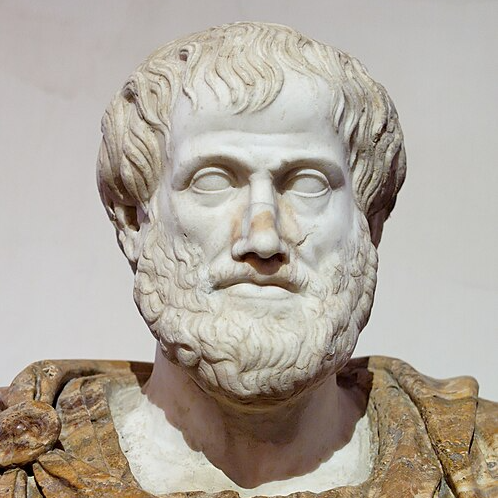
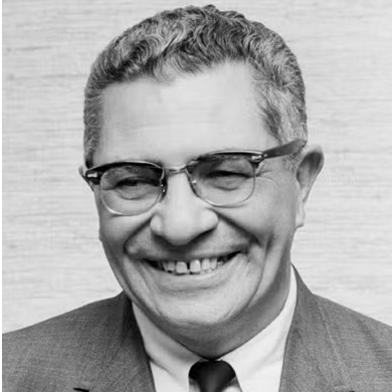
From left to right: Aristotle, Vince Lombardi
All of you reading this have probably heard the axiom “Practice makes perfect.” I looked it up recently and discovered that it can be traced all the way back to the 1500s and the phrase “Use maketh mastery,” which was then modified by John Adams and found in his diary of 1761.
There are two other similar phrases which I would like to focus on today however, as I find them particularly relevant when it comes to the concept of practice, and how we go about it as musicians.
If we go back even farther than the sixteenth century, Aristotle provides us with still another interesting insight which I think acts as an excellent springboard for understanding the concept of practice, particularly when it comes to pianists. He says "We are what we repeatedly do. Excellence then is not an act but a habit."
Finally, Vince Lombardi (1913–1970) the famous football coach responsible for leading this team, the Green Bay Packers, to five National Football League Championships and victories in the first two Super Bowls in the 1960s, had a slightly different take on the whole concept of practice.
He was known to say not that “Practice makes perfect,” but rather "Only perfect practice makes perfect".
This is an important distinction I think everyone, especially musicians, should understand, and forms The Lightbulb Moment for today.
Just because you practice a lot does not mean you are practicing correctly. If for example, you are practicing a piece and your fingering or pedaling isn’t correct, or you are misreading the score (the note is a natural, and not a sharp, for example), even though you are practicing, you are making something that is not perfect, but is instead a permanent mistake.
Practice is all about taking the incredible amount of time needed to get everything perfect every time, as opposed to just thinking that by practicing everything will become perfect. Practice becomes perfect when you practice without making mistakes. When the goal is to make sure that at every juncture you are not just practicing, but practicing without error.
This is true in all walks of life. Whether you are learning to master a sonata, play tennis, knit, or boil an egg, there is a right way to do everything. Discovering what that right way is, and then practicing doing it in that way constantly and consistently hundreds upon hundreds (perhaps even thousands upon thousands) of times over, is what makes for the perfection.
This is what Aristotle meant. If we do something in the right way over and over again, that is when we become excellent at it. Learning it wrong means that you will be making the same mistake over and over again.
No matter what you do, learn to do it right the first time. Discover what your ideal is, and all the components of making sure it is achieved each time. Do not practice just so you can say you spent so many hours practicing.
Instead, let the goal be not just to practice, but practice without error.