Beethoven, Version 2.0
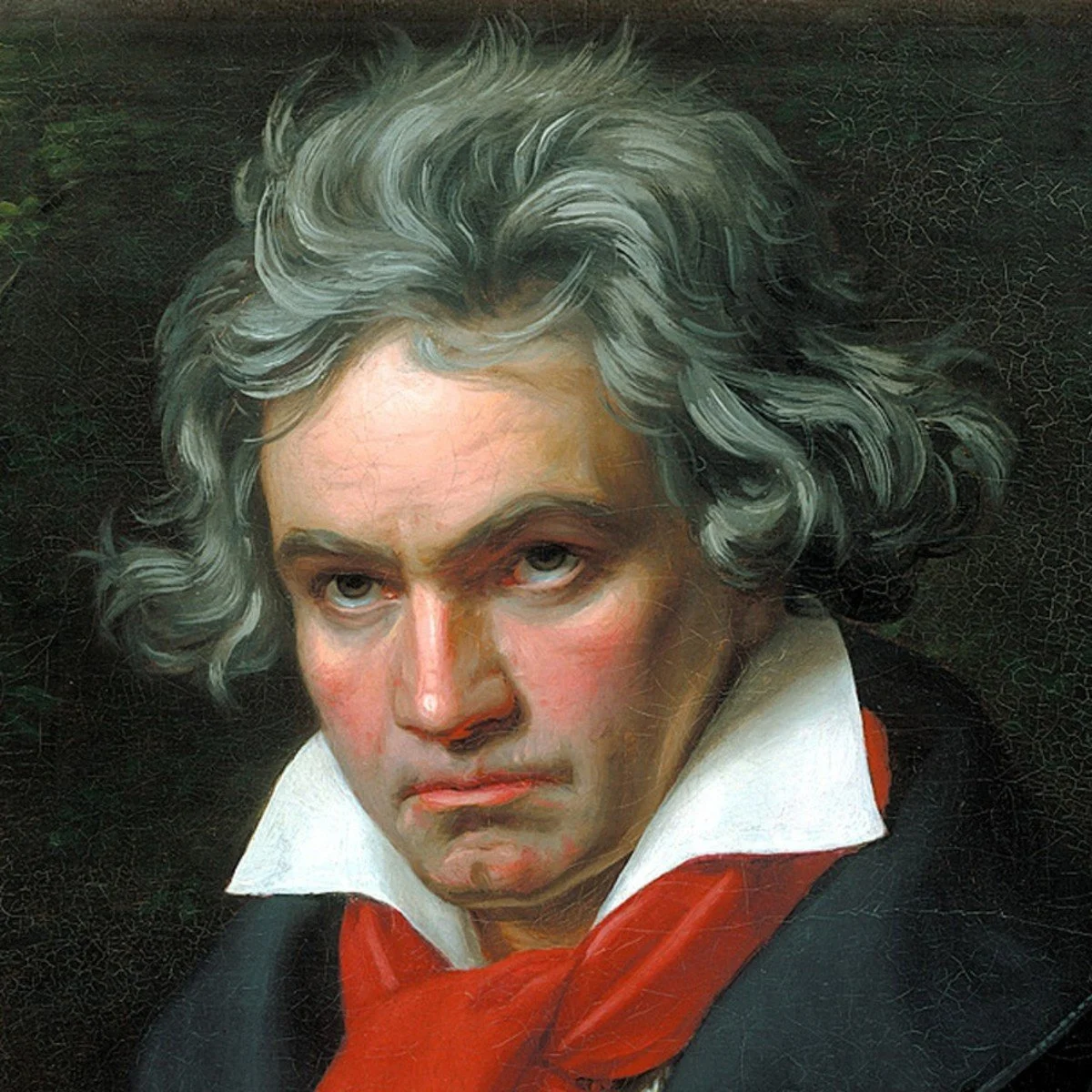
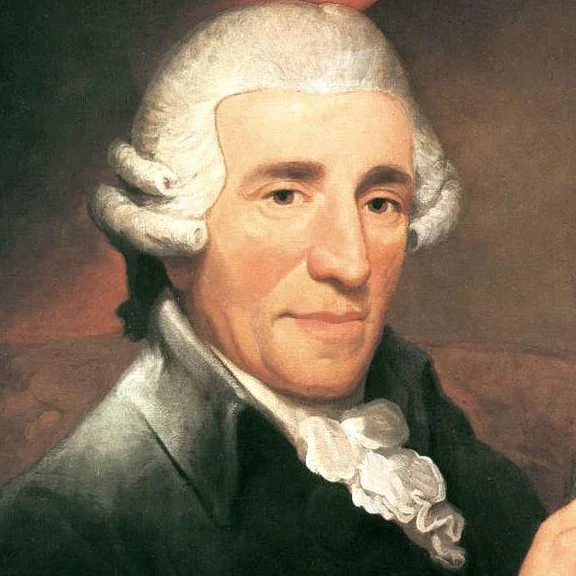
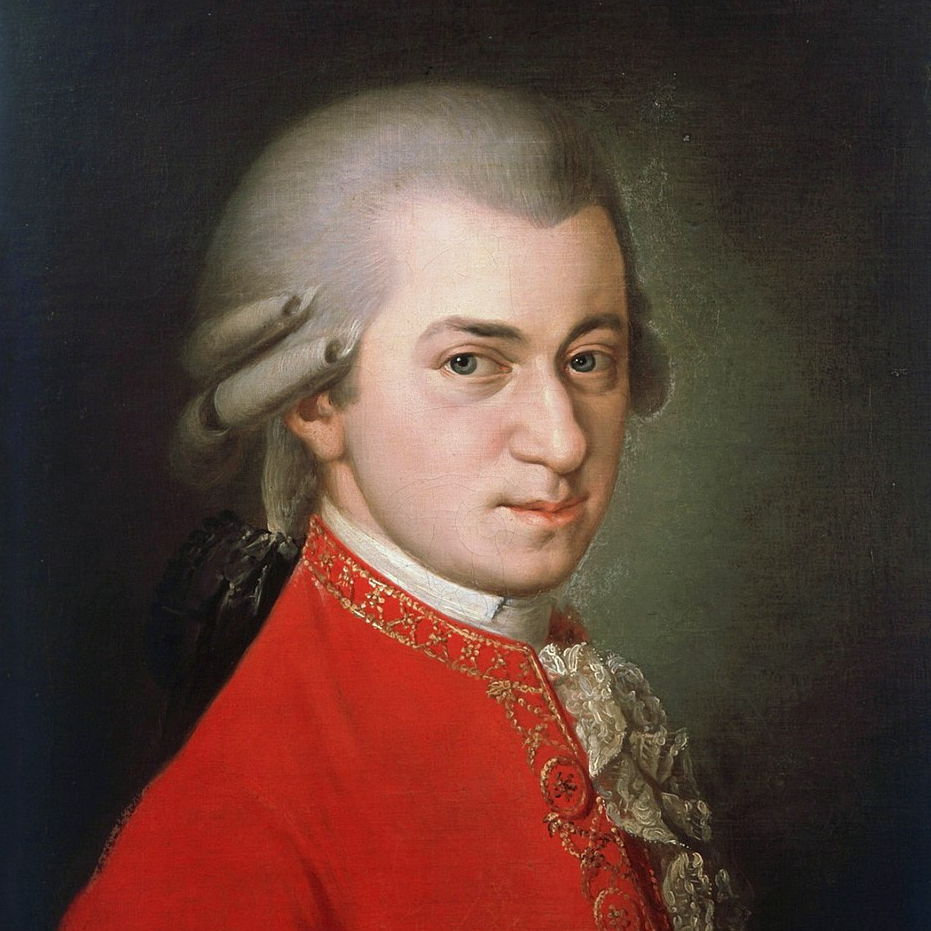
A line of succession: From Mozart and Haydn comes the voice of Beethoven.
Since beginning to study Beethoven’s Third Piano Concerto, I am finding the history surrounding its composition fascinating. Although Beethoven had learned from Mozart and Haydn, in this concerto his voice to me is much more his own, based on the concerti that will follow, almost as if he had begun to create his own musical signature.
The concerto was not written all at once, and although Beethoven seems to have had ideas for it as early as 1796, he continued working on it for several years, originally planning to perform it at a concert in Vienna in 1800. He stopped working on it however, and played another concerto instead. Returning to it again in 1802, he finally completed enough of it for its first performance on April 5, 1803, at Theater an der Wien. In addition, he also premiered his Second Symphony, and his oratorio “Christ on the Mount of Olives” (Christus am Ölberge) on the same program!
There is an amazing story about that first performance. Beethoven was the soloist, but the piano part was not completely written down. The orchestral parts had been prepared, but Beethoven still had not finished the solo part. He actually played portions of it from memory and improvised some of the music during the performance. Imagine being the pianist in a major concert and not having the entire concerto written out in front of you! This tells us something important about Beethoven: he was not only a great composer but also an extraordinary improviser. His pupil Ferdinand Ries later performed the concerto, and Beethoven finally completed the piano part afterward. There are even surviving sketches showing Beethoven working on the cadenza.
Musically, this concerto is especially interesting because of its dramatic personality. It is in C minor, the same key Beethoven would later use for his famous Fifth Symphony, and there is a feeling of struggle and determination throughout much of the first movement. While adhering to the traditional Classical form in which the orchestra presents a long, powerful theme before the piano enters, the soloist’s opening powerful ascending scale—which appears shortly thereafter—is filled with Beethoven’s characteristic dramatic drive and innovation, qualities not seen in the graceful Classical-era concertos that preceded it. The first movement, Allegro con brio, requires enormous energy, precision, and control from the pianist. The second movement, Largo, is completely different: quiet, mysterious, and almost dreamlike. The piano seems to be having a private conversation with the orchestra. Then Beethoven suddenly changes the atmosphere with the final movement, a lively Rondo, which brings back the energy and excitement. For a young pianist, one of the great challenges is learning how to make these three movements feel like parts of one large story rather than three separate pieces.
What I love most about the Third Concerto is that you can hear Beethoven discovering his own musical signature. He still respects the Classical traditions he inherited from Mozart and Haydn, but he pushes those traditions toward something more dramatic, personal, and emotional.
As pianists, we sometimes become so focused on the difficult passages—the fast scales, octaves, chords, trills, and difficult coordination—that we forget why the notes are there. Beethoven is asking us to communicate something much larger than technical brilliance. He wants the pianist and orchestra to argue, question, struggle, sing, and ultimately celebrate together. That is why this concerto remains so exciting for me. When I study Beethoven, I am not simply learning old music. I’m learning how a composer can take the musical language of his time and transform it into something that still speaks directly to us, more than two hundred years later.